Thai Army Advances Border Fence Construction In Chanthaburi Amid Regional Scrutiny
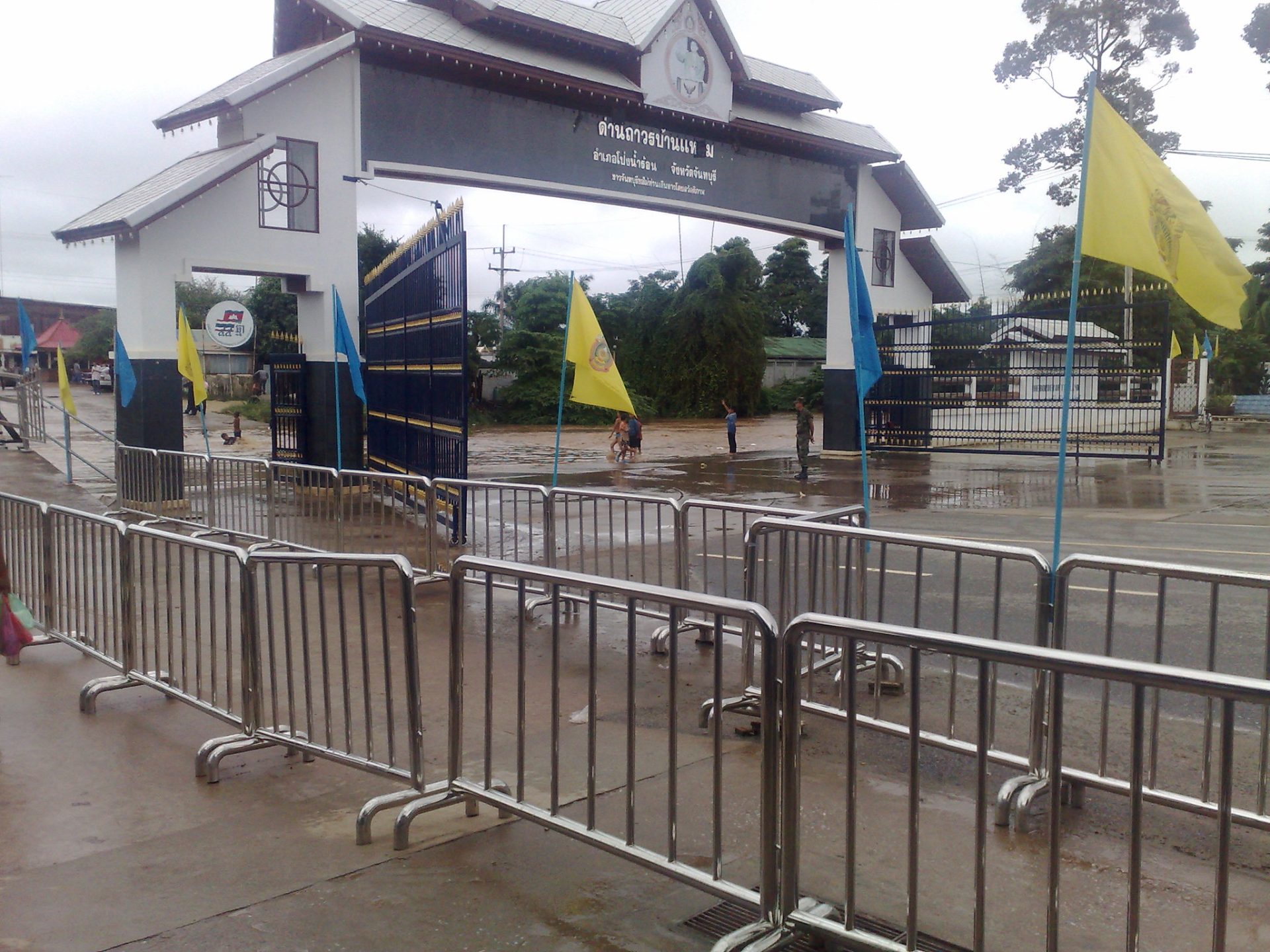
CHANTHABURI, Thailand — Thailand’s military is proceeding with the construction of a new border fence along the Thai-Cambodian frontier in Chanthaburi province, a project spanning approximately 1,310 meters between boundary markers 52 and 54 in Pong Nam Ron district, aimed at strengthening border security and enhancing safety for communities living near the international boundary.
Thailand to Begin Construction of Border Fences with Cambodia Next Month
Security sources confirmed on May 11, 2026, that the construction is taking place entirely within Thai sovereign territory, along a stretch of flat terrain with clearly demarcated border lines. Both Thailand and Cambodia maintain parallel patrol roads adjacent to the frontier, facilitating routine monitoring and coordination between the two nations’ border security forces.
The barrier is being constructed using reinforced materials designed to meet established security standards. The fence will stand approximately 170 centimeters high, supported by concrete piles and beams with posts spaced roughly three meters apart. Authorities estimate that between 900 and 1,000 posts will be installed during the construction phase.
The lower section of the structure will incorporate prefabricated concrete panels positioned at ground level, while an additional layer of reinforced steel mesh will be installed above to enhance durability and support ongoing border monitoring operations. Military engineers have emphasized that the design balances security functionality with environmental considerations appropriate for the local terrain.
Construction reportedly began in late April 2026, with the first phase expected to be completed within 45 days. Work continues daily as personnel strive to meet the established timeline while adhering to safety and quality standards.
According to security sources, some tensions emerged during early construction activities after Cambodian soldiers were observed monitoring and photographing the work from their side of the border. Thai officials maintained that all activities are being conducted within Thailand’s recognized territory and described the project as a legitimate exercise of the country’s sovereign right to manage and protect its borders.
“We are building within our own territory, following established procedures and international norms,” said a spokesperson for the Royal Thai Army’s border operations command. “This project reflects our commitment to border security and to the safety of communities living along the frontier.”
The fence is intended to serve both practical and symbolic purposes. Beyond its function as a physical barrier, authorities describe it as a demonstration of the military’s dedication to protecting national sovereignty and reassuring residents of border communities. “People who live near the frontier deserve to feel secure,” a provincial official noted. “This project is part of our broader effort to contribute to long-term peace and stability in the region.”
Chanthaburi province, located in eastern Thailand along the Gulf of Thailand, shares a border with Cambodia’s Battambang and Pailin provinces. The area has historically been significant for cross-border trade, cultural exchange, and, at times, territorial disputes. Recent years have seen increased cooperation between Thai and Cambodian authorities on border management, though periodic tensions over specific demarcation points have occasionally arisen.
CHANTHABURI — The Thai military is constructing a new border fence along part of the Thai-Cambodian frontier in Chanthaburi province, aiming to strengthen border security and improve safety for local residents, according to a security source.
Read more: https://t.co/lMJQRN4AnW pic.twitter.com/VARHcNy1D0
— Khaosod English (@KhaosodEnglish) May 11, 2026
The circulation of photographs showing the construction site on Cambodian social media platforms, including Facebook pages, has drawn significant online attention. Some commentary has expressed curiosity about the project’s scope, while other discussions have reflected broader questions about border security policies in the region. Thai authorities have not commented extensively on the social media response, emphasizing instead that the project proceeds through official channels with appropriate transparency.
Regional security analysts note that border infrastructure projects are common across Southeast Asia, where nations seek to balance openness for legitimate cross-border activity with measures to address smuggling, unauthorized migration, and other transnational challenges. “Physical barriers are one tool among many,” said a Bangkok-based defense scholar who requested anonymity. “Their effectiveness depends on how they are integrated with broader security strategies, community engagement, and diplomatic coordination.”
Local residents in Pong Nam Ron district have expressed mixed reactions to the construction. Some welcome the enhanced security presence, while others have raised questions about potential impacts on cross-border movement for trade, family visits, and cultural activities. Authorities have indicated that designated crossing points will remain operational and that legitimate cross-border activity will continue to be facilitated through established procedures.
“The goal is not to isolate communities but to create a more secure environment where lawful exchange can flourish,” said a representative from the Chanthaburi provincial administration. “We remain committed to working with Cambodian counterparts and local stakeholders to ensure that border management serves the interests of all residents.”
The Royal Thai Army has indicated that lessons learned from the Chanthaburi project may inform future border security initiatives in other provinces along Thailand’s frontiers. However, officials emphasized that each location presents unique geographical, social, and diplomatic considerations that require tailored approaches.
As construction progresses, military engineers continue to coordinate with local authorities, environmental assessors, and community representatives to address practical concerns and maintain positive relations with neighboring populations. Regular updates on project milestones are being provided through official military and provincial channels.
For now, the focus remains on completing the initial phase of the fence within the targeted timeframe while maintaining open lines of communication with Cambodian border officials. Thai authorities have reiterated their commitment to peaceful, cooperative management of the shared frontier and to resolving any questions through diplomatic dialogue.
Thai Military Unveils Design for New Border Fence with Cambodia
Further updates regarding the construction timeline, community engagement efforts, and bilateral coordination are expected as the project advances and as additional phases are planned.
-Thailand News (TN)